About Us
A digital archive that uses cinematic storytelling to transform Libyan heritage into a living, high-fidelity experience for future generations.
Purpose & Mission
Libyan Document aims to present an authentic image of Libya to the world, challenging narratives that have long reduced the country to conflict and instability. We showcase the richness and diversity of Libyan culture, reclaim cultural elements misattributed to other regions, preserve authentic Libyan identity, and present Libya through Libyan voices and perspectives.
The goal is to ensure that Libya is seen through its own truth and lived experiences.
Libyan Document is a digital archive that uses cinematic storytelling to transform Libyan heritage into a living, high-fidelity experience for future generations.
Core Values
Authentic. Nostalgic. Inspiring.
Narrative Sovereignty
Libyans should own their identity and tell their own stories. For too long, Libyan culture has been presented through external lenses that may be incomplete or inaccurate.
Generational Bridging
The heritage of past generations and the creativity of today's youth are equally part of Libyan identity.
Shared Roots
Libyan culture belongs to all Libyans. The project documents stories from the people and for the people, creating a collective archive that reflects a shared identity.
Content Pillars
The Aesthetic & Flavors
The Creative Libyan
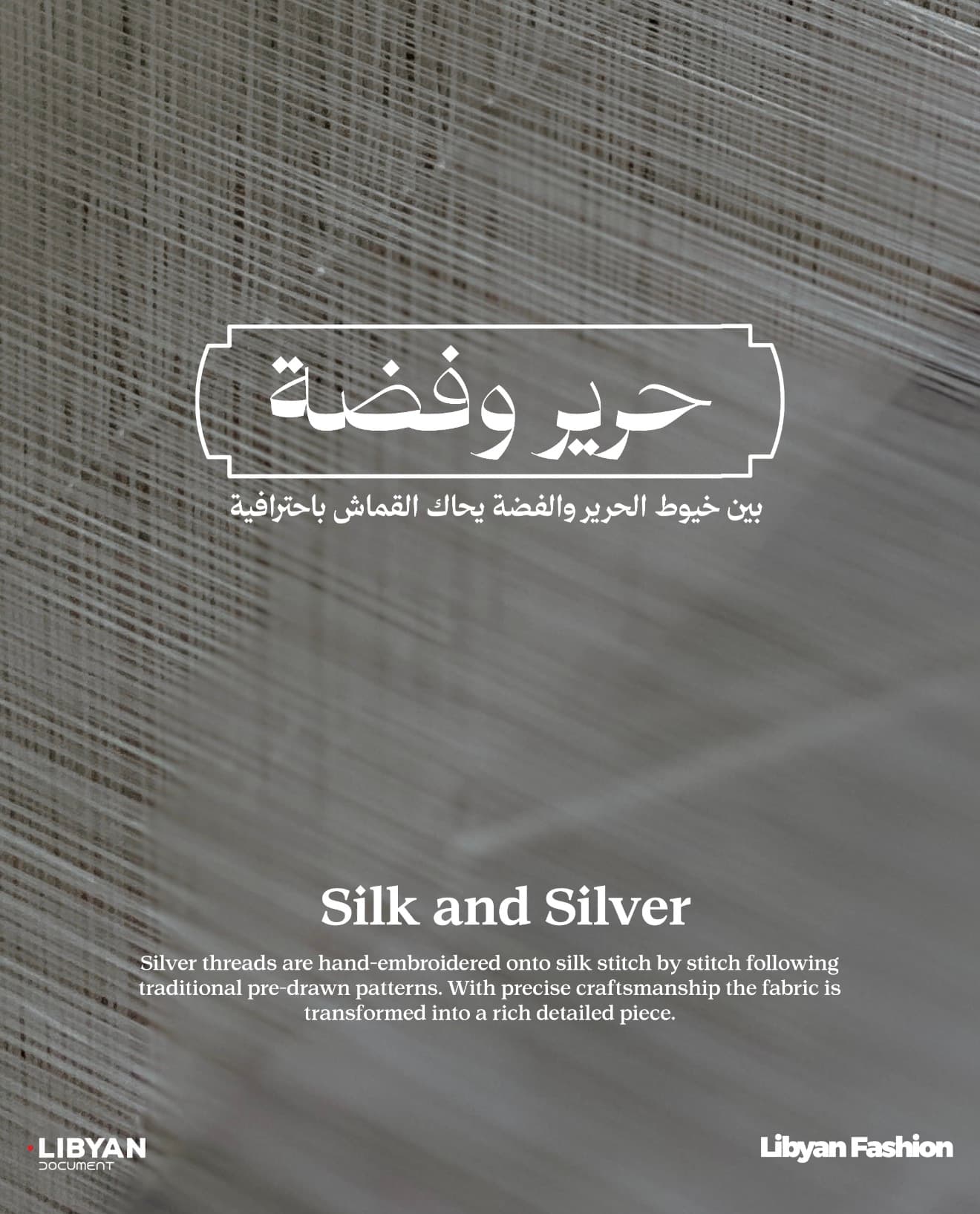
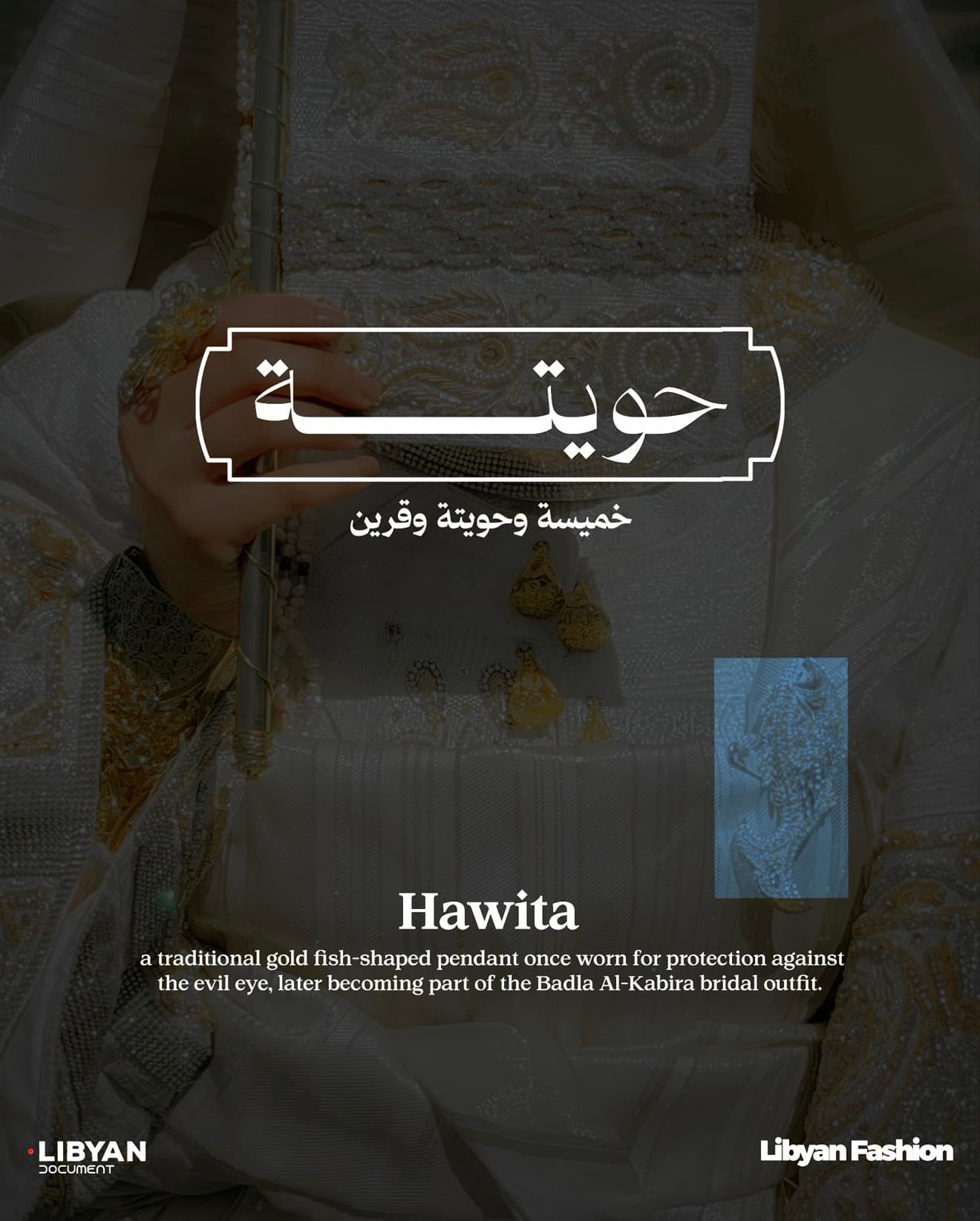
Art & painting, music, writing & literature, and craftsmanship — traditional jewelry, pottery, and carpet weaving.
The Living Heritage
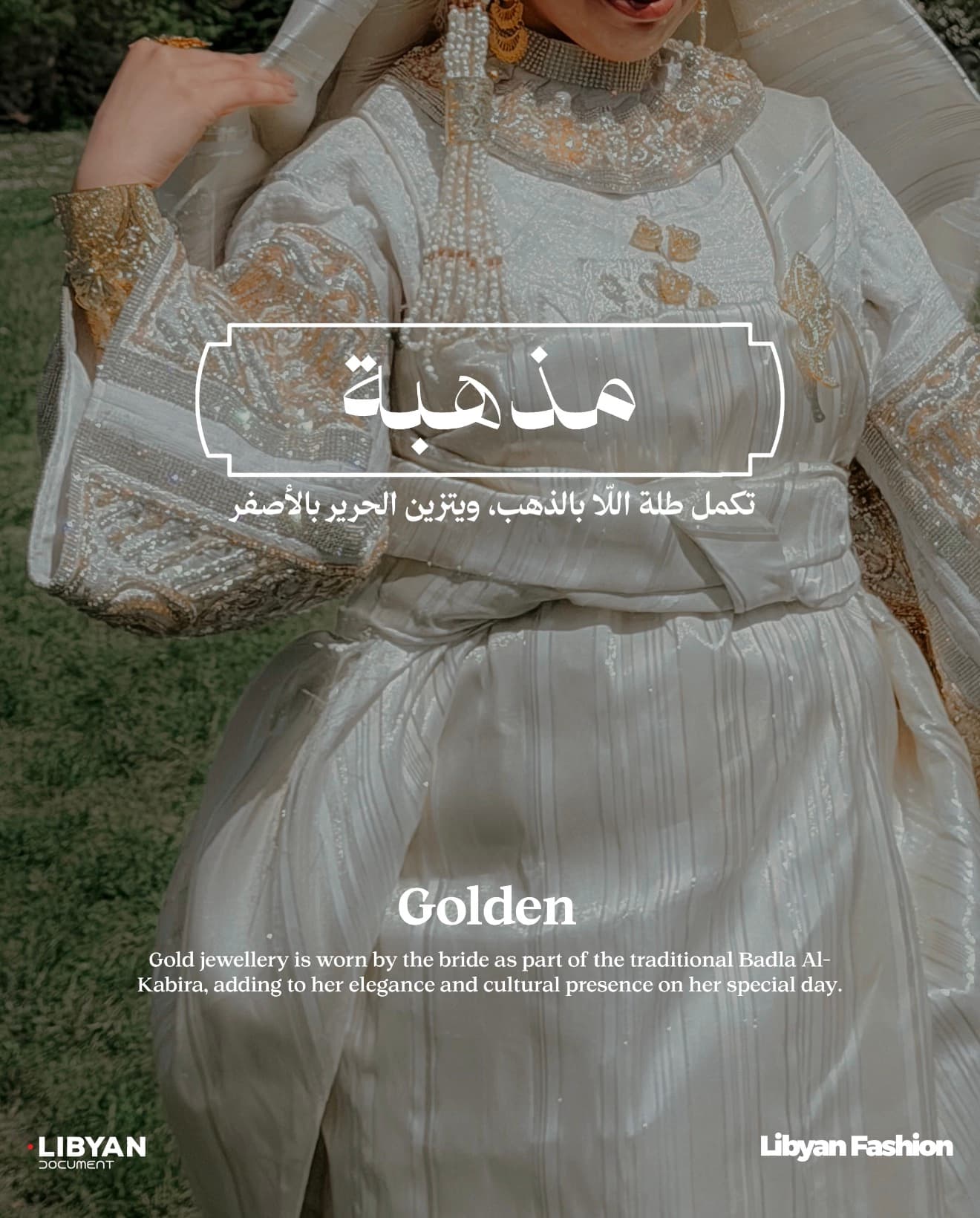
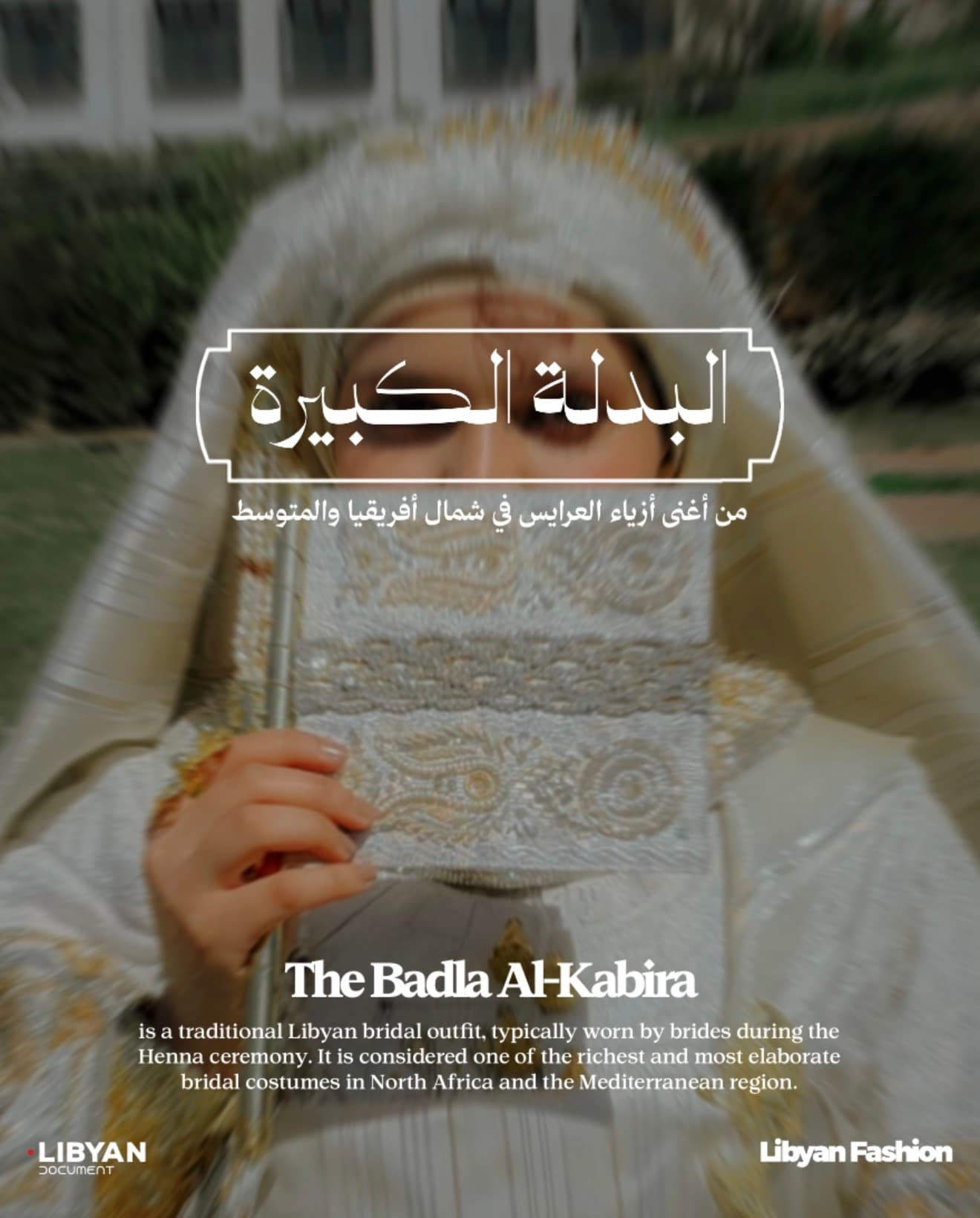
Cultural behaviors & customs, weddings, festivals & holidays, proverbs & folklore.
The Aesthetic & Flavors
Food (couscous, bazin, asida, Libyan tea culture), traditional clothing (rida, hol, regional attire), and architecture & historical sites.
The Aesthetic & Flavors
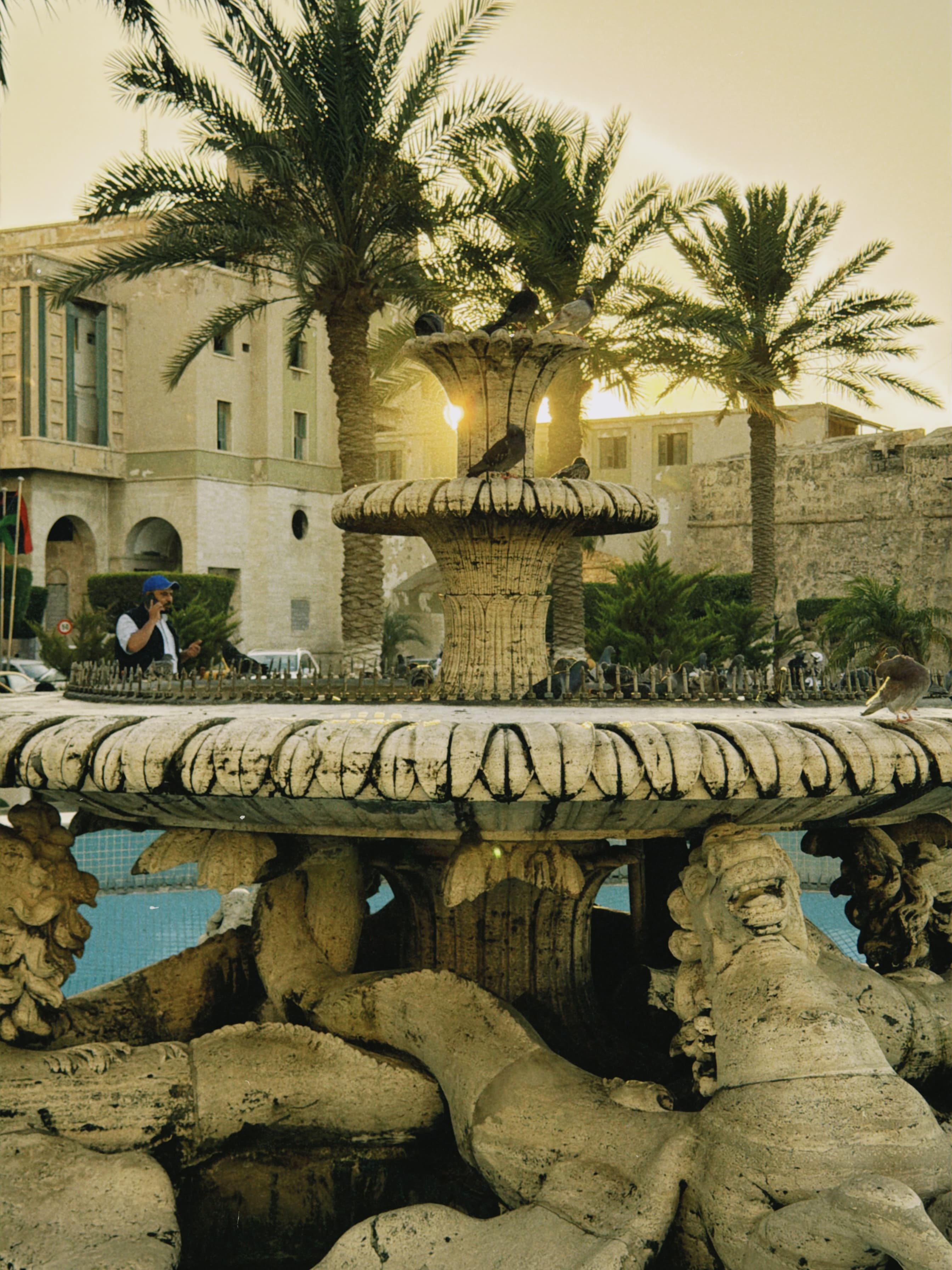
Ghadames, Tripoli Old City, mountain villages, Leptis Magna, Sabratha, Cyrene
Regional spotlights — Eastern, Western, and Southern Libya with distinct architecture, traditions, and landscapes
Then vs. Now — comparing archival imagery with contemporary Libya